Two days in Melbourne, a room full of the ANZ Business Central community, and most of the people I have spent two years hoping would end up in the same place at the same time. I am still processing it, and I suspect I will be for a while yet. Days of Knowledge ANZ is done, and I keep catching myself thinking about small moments from it rather than the agenda.
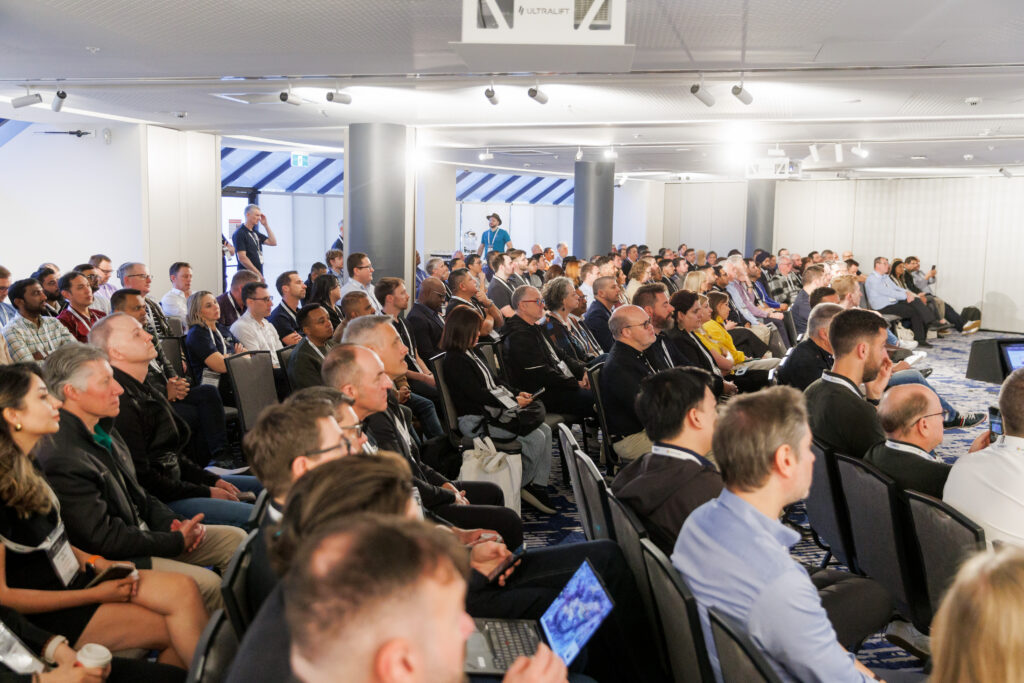
We reached capacity days before the event and had to close registration, which is not a problem I ever expected to have. A few people turned up on the morning of day one anyway, knowing we had sold out, having travelled to Melbourne on the chance that we would find room for them.
We let them in, of course.
I want to write about all of it, but if you take one thing from this post, let it be this. Two years ago, this event was called Business Central Day, and it was one room at the Microsoft Reactor in Sydney. Before that it was a LinkedIn message I sent to a friend with a single question inside it. Why does the ANZ Business Central community not have an event of its own, shall we start?
Why this region needed one of its own
I have spent years watching this community make do. One partner sends a director to Europe once a year, another sends nobody at all, and whatever comes back arrives as a summary in a Monday team meeting. That is nobody’s fault, it is just what the travel maths does to a region this far from everywhere else.
The people who lose most from it are the ones who never get sent. The consultant who has been doing implementations here for eight years, the developer writing the extensions, and the support lead who knows more about how ANZ customers really use this product than any deck will ever capture. Those people are the community, and for a long time they simply never got to be in the same room as each other.
That was the whole argument in the message I sent. Not another conference brand, and not a smaller copy of something that already exists in Europe. Somewhere this region could meet its own people, more than once, until we know each other well enough to pick up the phone in the middle of a bad go-live.
Three rooms and two names
I am glad this grew slowly, and I think that matters far more than the sold-out headline does. The first one, two years ago, was a small Business Central Day at the Microsoft Reactor in Sydney. One day, and a genuine question hanging over the whole thing about whether anybody would show up at all. People did show up, and that was all the permission we needed to try again.
Last year we grew it and moved into the Microsoft office in Sydney. It was bigger and busier, and it was the first time the whole thing felt less like an experiment and more like something the community had started to expect from us. This year it became Days of Knowledge ANZ, we ran it over two days for the first time, and we took it across to Melbourne.
Nobody handed us an audience along the way, and nobody was ever obliged to come back. Every year we asked this community to spend their time and their money on us again, and every year more of them said yes. That is a slower way to build an event than launching something big and loud, and I would not have wanted to do it any other way.
The ask we made this year, and the answer
Going to two days is a much bigger ask than it sounds, and I was nervous about it. One day is a day out of the office, but two days is a real decision, especially for the smaller partners where one consultant away from billable work is felt straight away. Then we added a new city on top of that, and asked people who had already backed us twice in Sydney to book flights and a hotel as well.
They booked. The official event hotel sold out alongside the event itself, and watching the registrations hit the ceiling days before we opened was the moment I stopped worrying about whether we had pushed it too far.
Speakers and ISVs came in from overseas for it too, and I am grateful to every one of them. What I keep thinking about is that they came here, to us, for this community. For once this region was the destination rather than the departure lounge.
Two days that felt like a family reunion
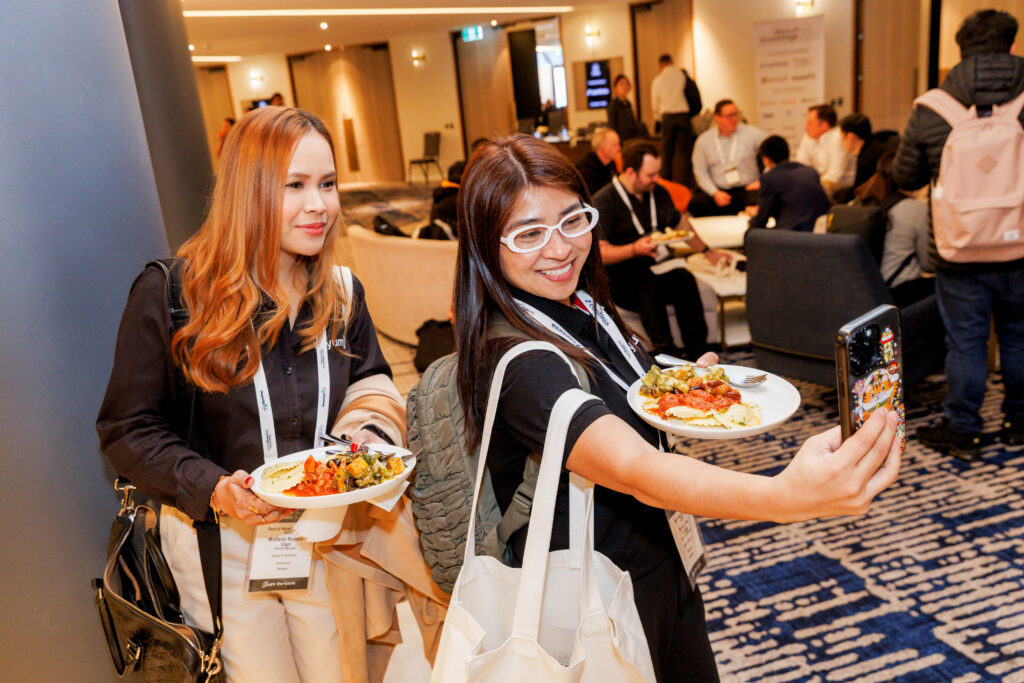
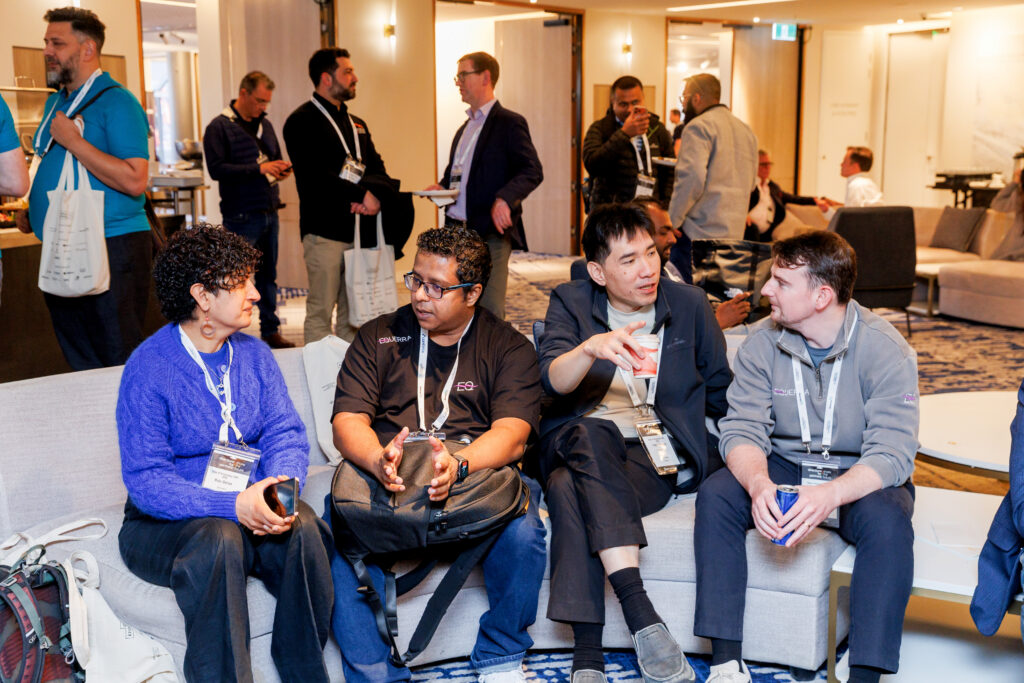
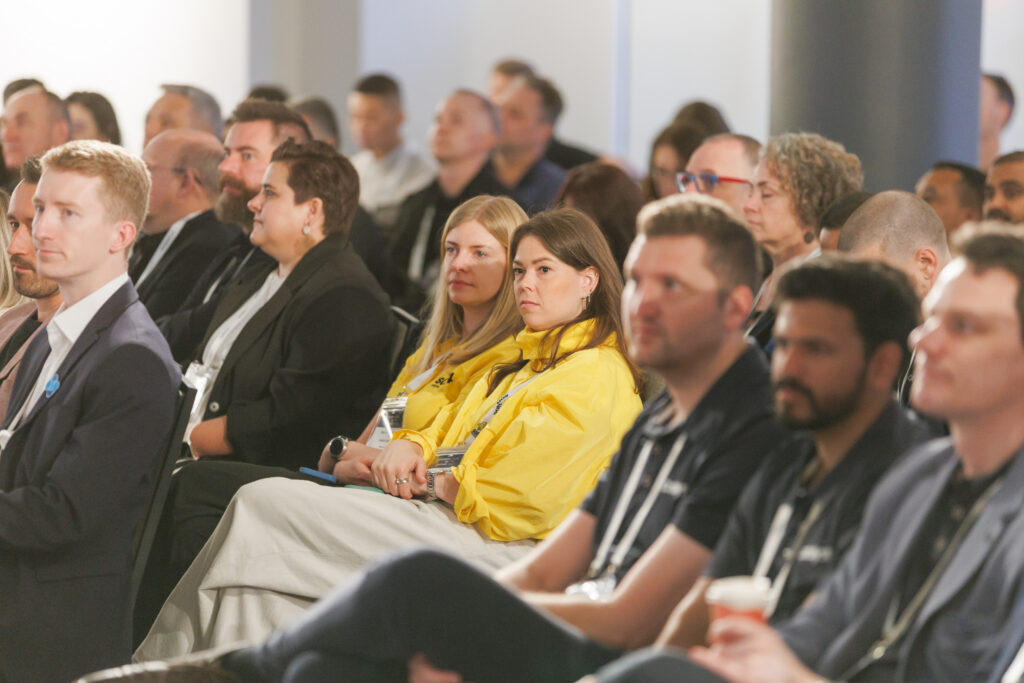
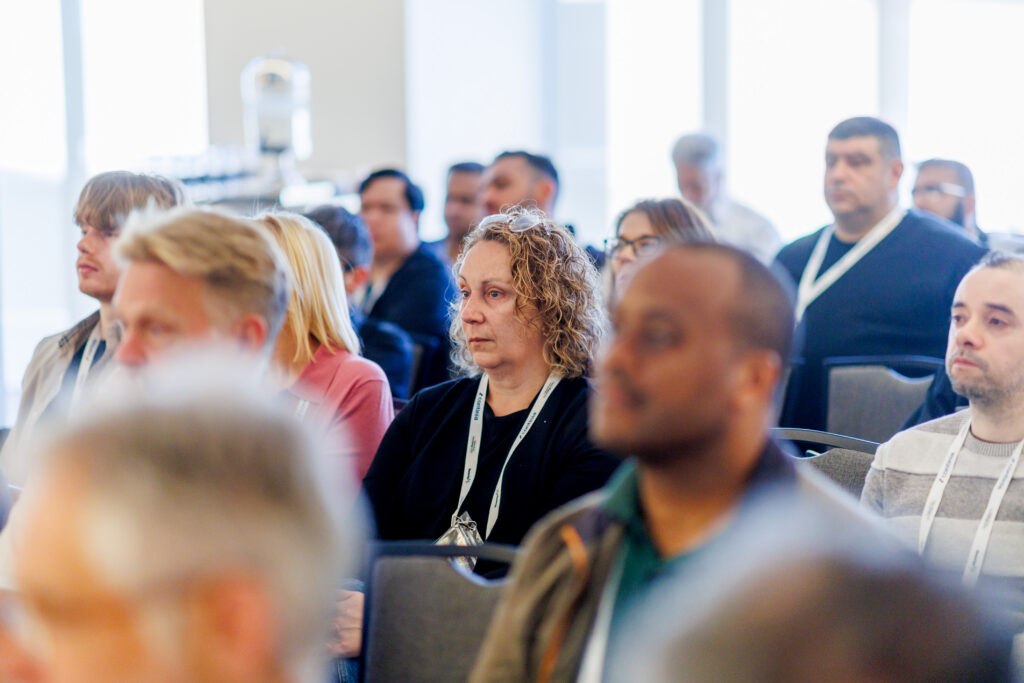
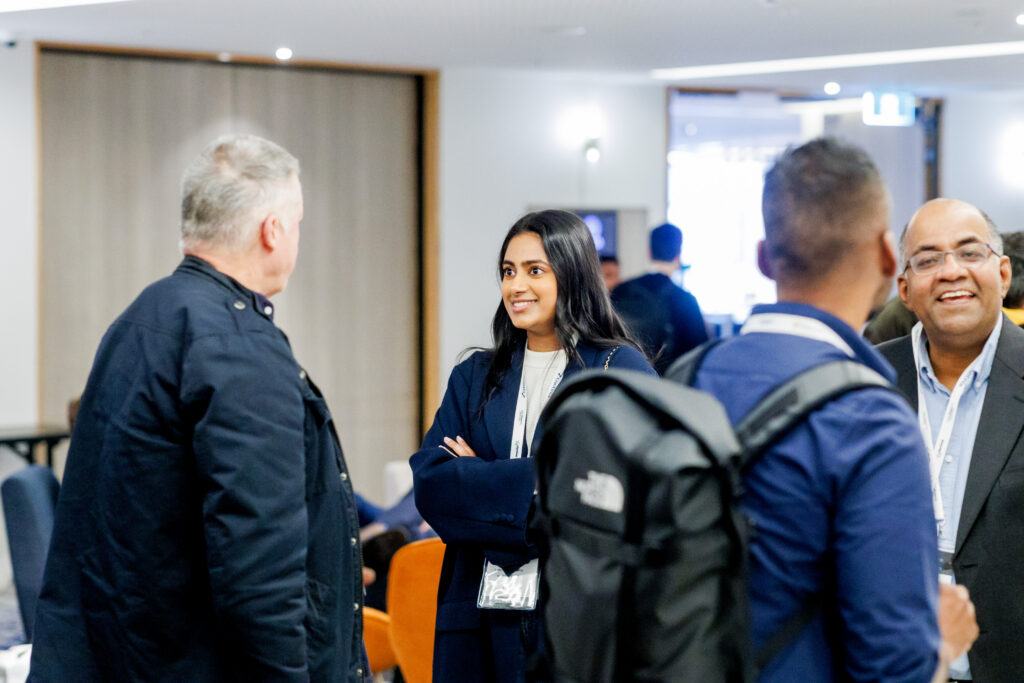
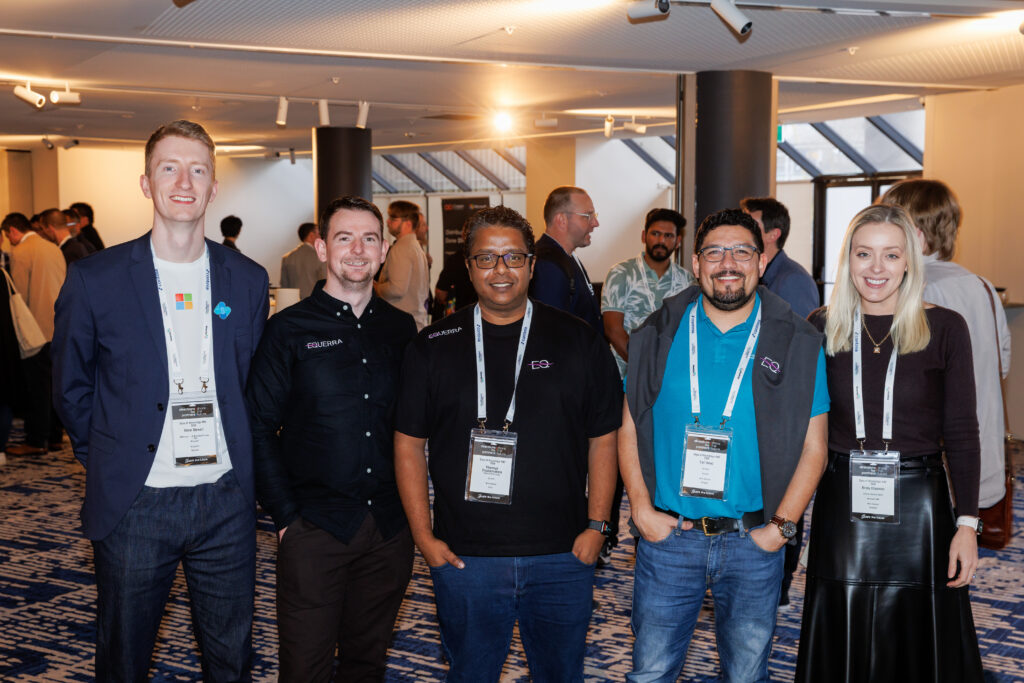
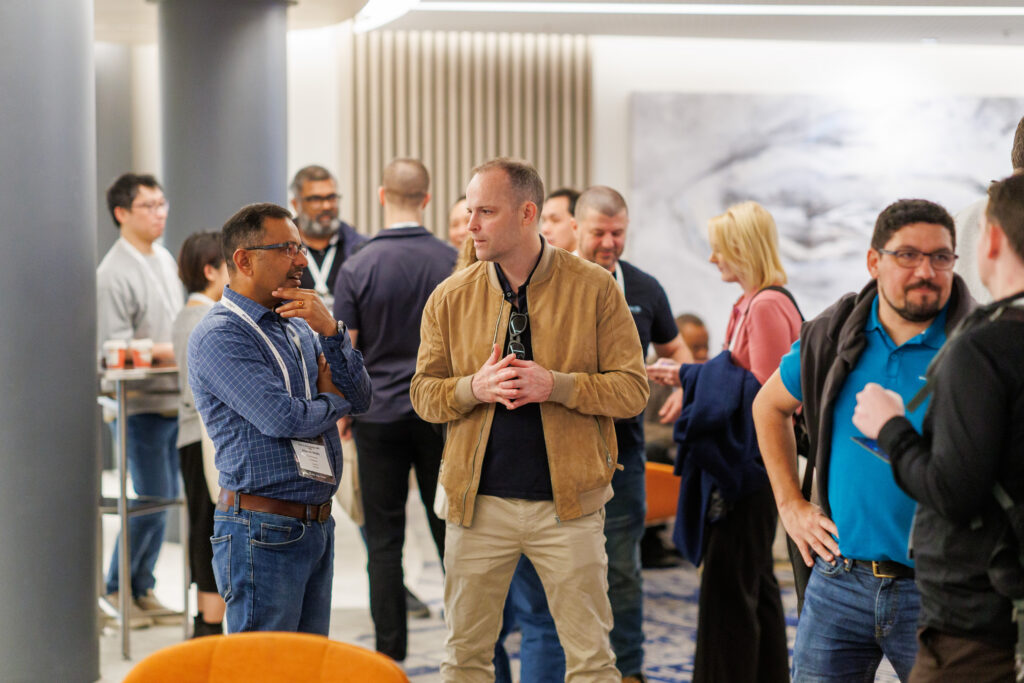
The session rooms were packed across both days, with brand new sessions, content from Microsoft and the product team, and an ISV area that never really emptied out. What I will remember, though, is the noise in the breaks. The conversations did not stop when the sessions ended, they moved into the corridor, then into the ISV area, and then into dinner.
Richard from Contina caught me between sessions and told me it felt like a family reunion, and I have not been able to shake that since.
That is exactly what we were hoping for, and it is why the size of this event matters so much to me. Big enough that the content is serious and the product team is actually presenting, and small enough that you can find the person you wanted to talk to without hunting a badge through a crowd of thousands. ANZ never needed a mega conference. It needed a home ground, and it finally has one.
The room that argued about AI
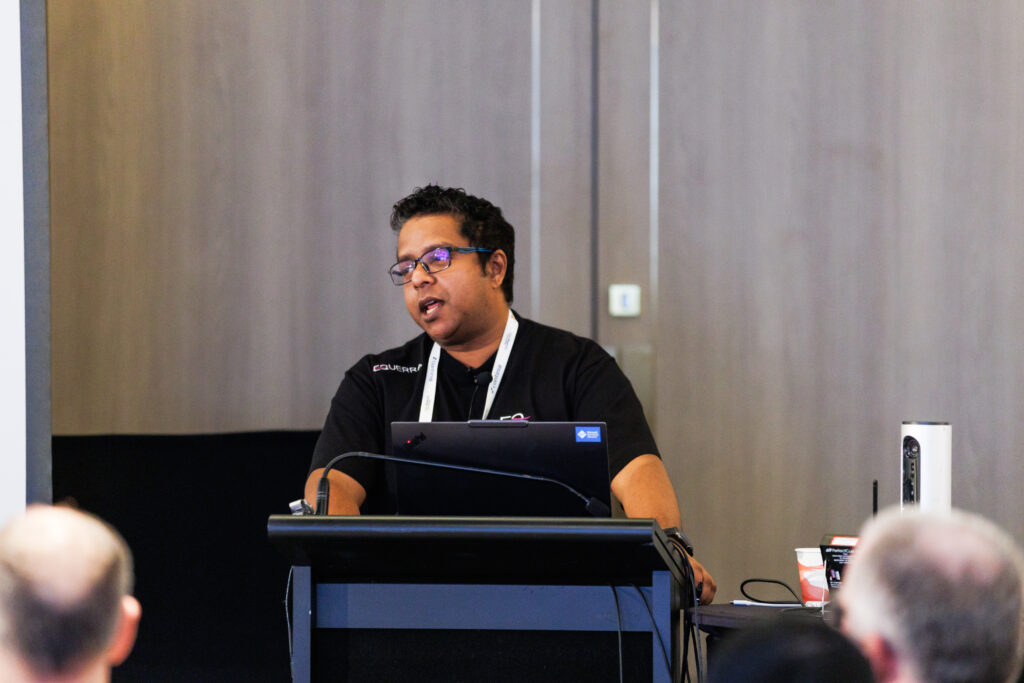
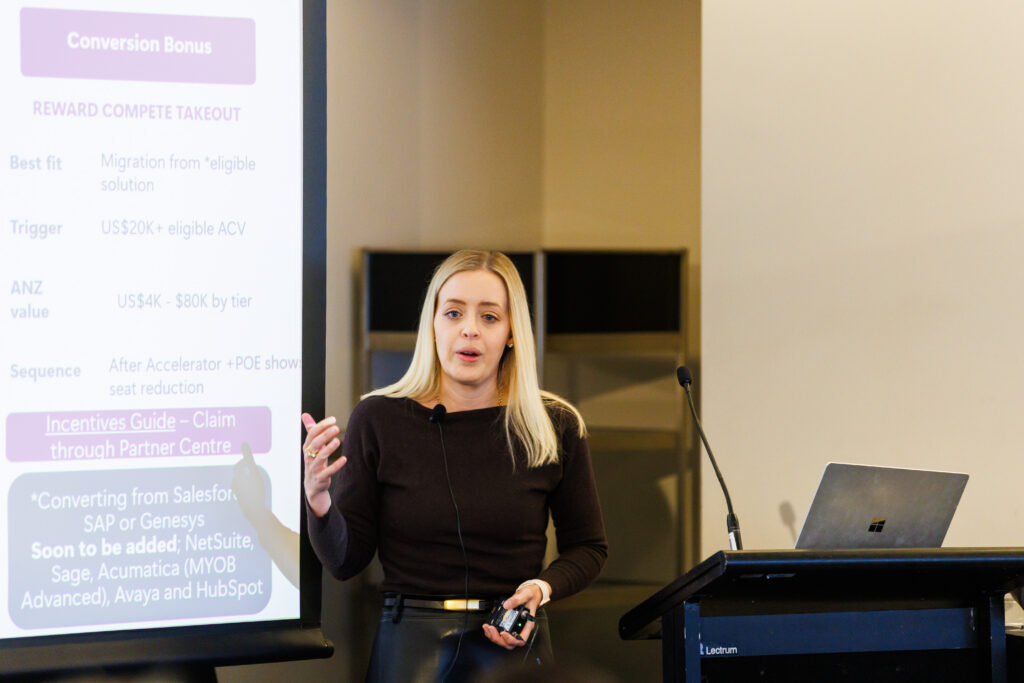
My own session was about my experience with AI, which meant the parts that have genuinely worked, the parts that have not, and what it actually costs to get there. The room was full, the questions kept coming, and by the time I finished they were arguing with each other.
Honestly, that is the best outcome I could have hoped for. When people walk out of a session with a position they want to defend, the ideas have taken root somewhere, and the talks I still remember from my own years in the audience are the ones I disagreed with on the way out and later realizing that the idea does really make sense. If a few people in Melbourne are still chewing over it this week, then the session did its job.
What came out of those conversations is that the technology is no longer the hard part, and delivery is. Almost every question that came at me in that room was really a question about people, habits, and trust, dressed up in the language of tools.
The part nobody sees
An event looks like two days from the outside, and it is never two days. 4Ts (Tom Marshall, Tom Kapitan, Torben Kragelund, Tharanga) and the wider Directions team worked in the background the entire way, through messages at odd hours across too many time zones and problems that were solved before we even knew they existed. It is an amazing combination of people, and none of this would exist without them.
Microsoft and Directions for Partners backed the idea early, back when it was still a proposal rather than a programme, and two colleagues sat with me at the very beginning and helped turn a question into a plan. When somebody tells you an event ran smoothly, what they are really telling you is that a group of people quietly absorbed the chaos on your behalf.
Where the time came from
I want to be honest about this part, because event write-ups usually skip straight past it. A day only has twenty four hours in it, and when you take on something like this while your own business is still new, that time has to come out of somewhere else. In my case it came out of family time, out of weekends, and out of sleep.
Which means somebody else quietly carried the difference for me.
Shani.
My name was on the programme, and my name was on the social posts, but she is the reason I was able to do any of it. She took the household onto her own shoulders and chased everything from the printing of the event shirts down to the small details nobody in that room will ever realise were handled, and she did all of it. So, whenever I talk about this event, she is somewhere inside the story, whether I say her name out loud or not.
This time she was in Melbourne with me and our little Olina came too. Standing in a room I had been imagining for two years with the two of them actually in it is the part of this week I will keep.
What comes next
We will announce the dates and the location for the next one shortly, and there is more news coming alongside it that I am looking forward to sharing. There are also a few things I am taking away from this week and holding on to.
Keep the size honest, because the intimacy is the whole point rather than a limitation of it. Growth is welcome, but not at the cost of the thing that made Richard call it a family reunion.
Get more ANZ voices onto the schedule, because there is real depth in this region that the rest of the world does not hear from anywhere near often enough.
Push the AI content further into the uncomfortable territory. The appetite in that room was clearly for the real story rather than the demo, so next time I want to bring more of what did not work.
Thank you
Thank you to this community first, because you are the reason any of it exists, and to the partners who sent their people to Melbourne instead of keeping them billable for two days. Thank you to everyone who spoke, and to every ISV who has backed this event since the Reactor days. Some of you have been with us all three years, and you turned up when it was one room and a hopeful agenda.
A message I sent a couple of years ago is now a real event with a real community around it, and I am still slightly stunned by that whenever I stop long enough to think about it.
If you were there, I would love to hear what stayed with you. If you missed it this time, do not leave it too late next time, because the room fills faster than any of us expected.
See you at the next one.
Tharanga Chandrasekara
Head of Technology and Product at Equerra
Microsoft MVP: Business Application
Organizer – Auckland D365 BC User Group